

 Cultivating Minds: How Havrå Farm Game will Grow Sustainable Leaders
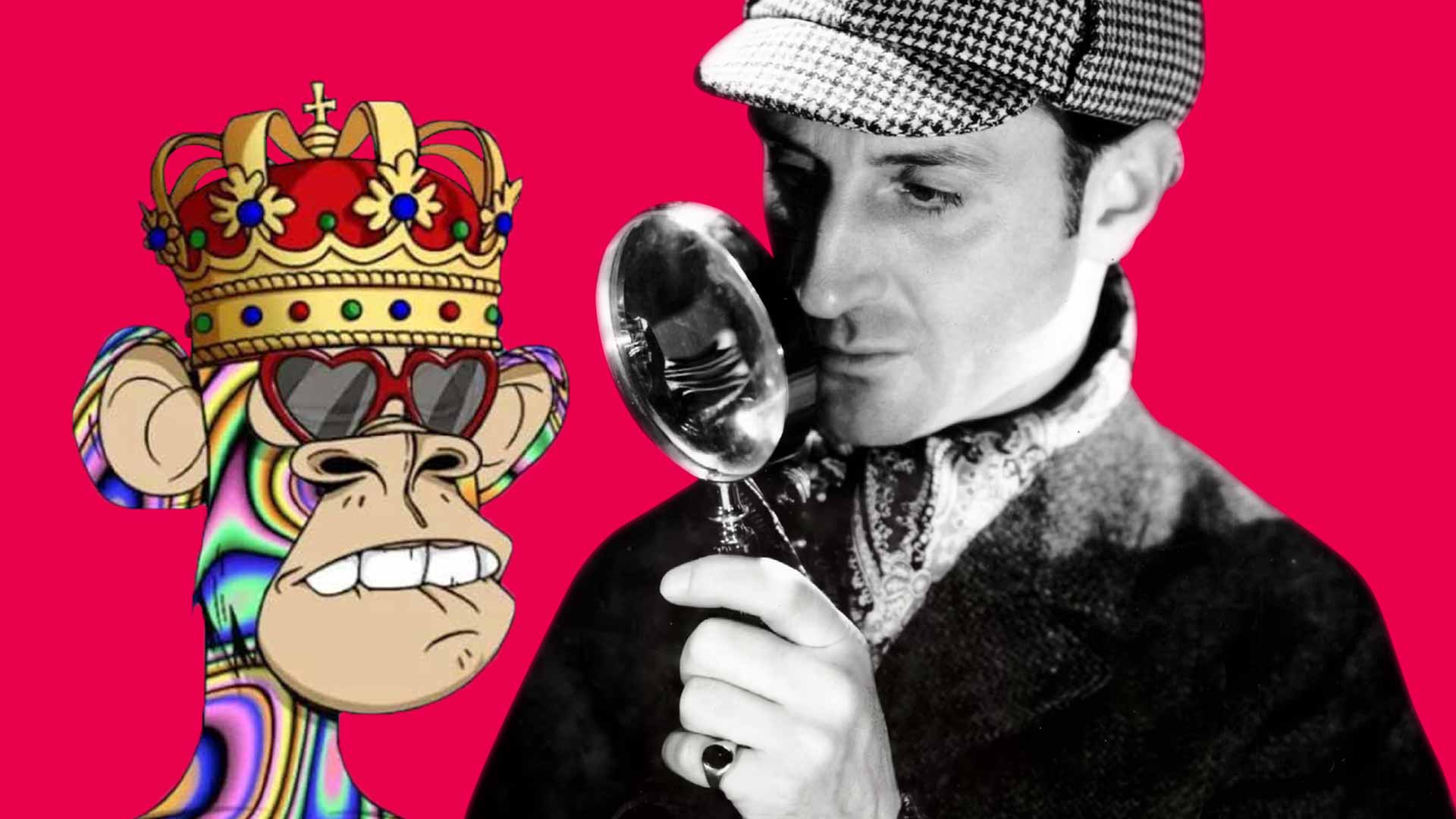 How cultural heritage is leveraging blockchain and NFTs to reconnect to their audience
 It’s hot tub time
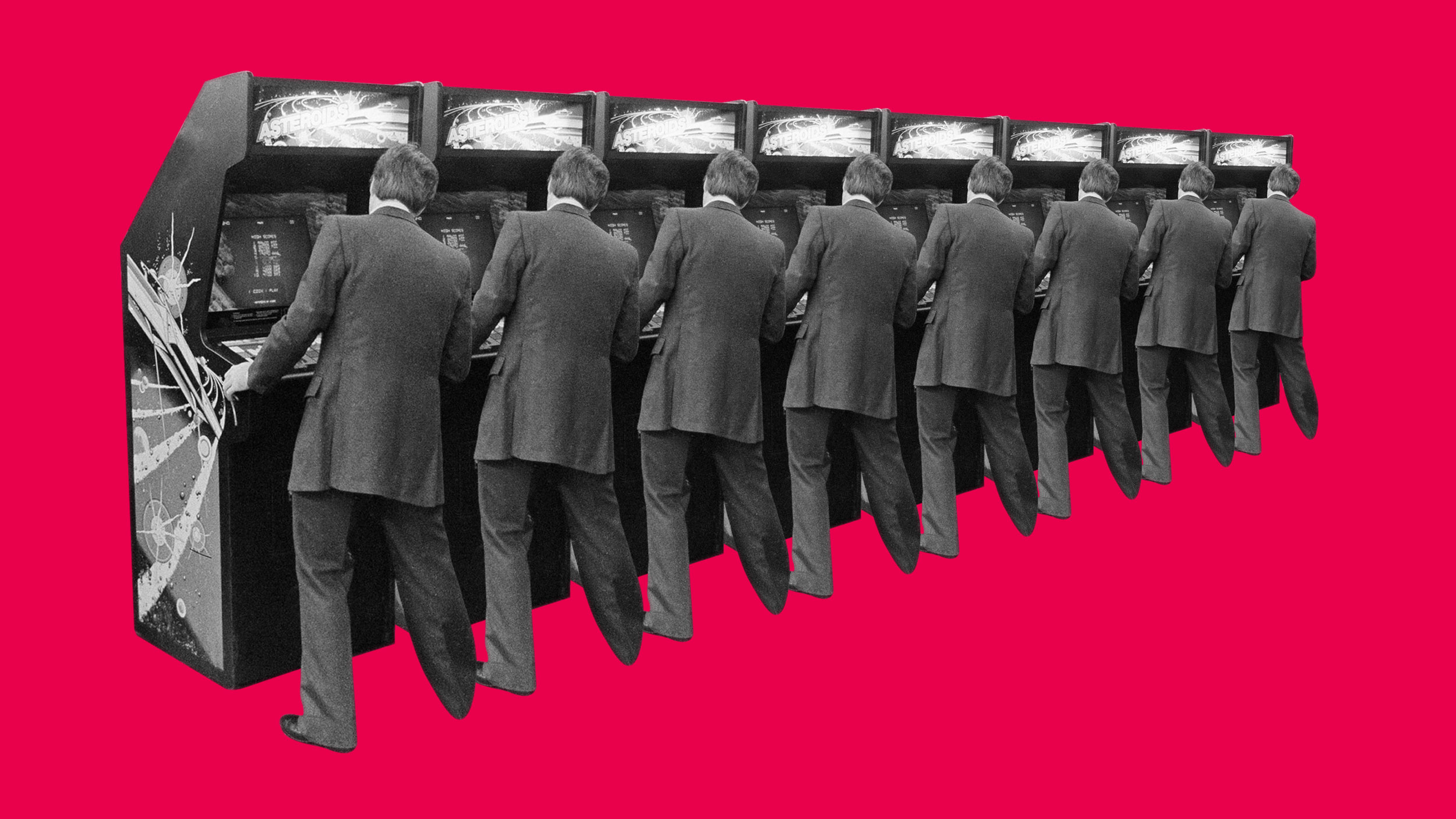 The renaissance of the classic arcade
 A model for understanding the virtual reality experience
 How VR / AR are an effective b2b sales solution
 VR – Machine driven human to human interaction
 Untangling the wires – how 2019 will see virtual reality cut the umbilical-cord
 Our long road to getting virtual reality on the road
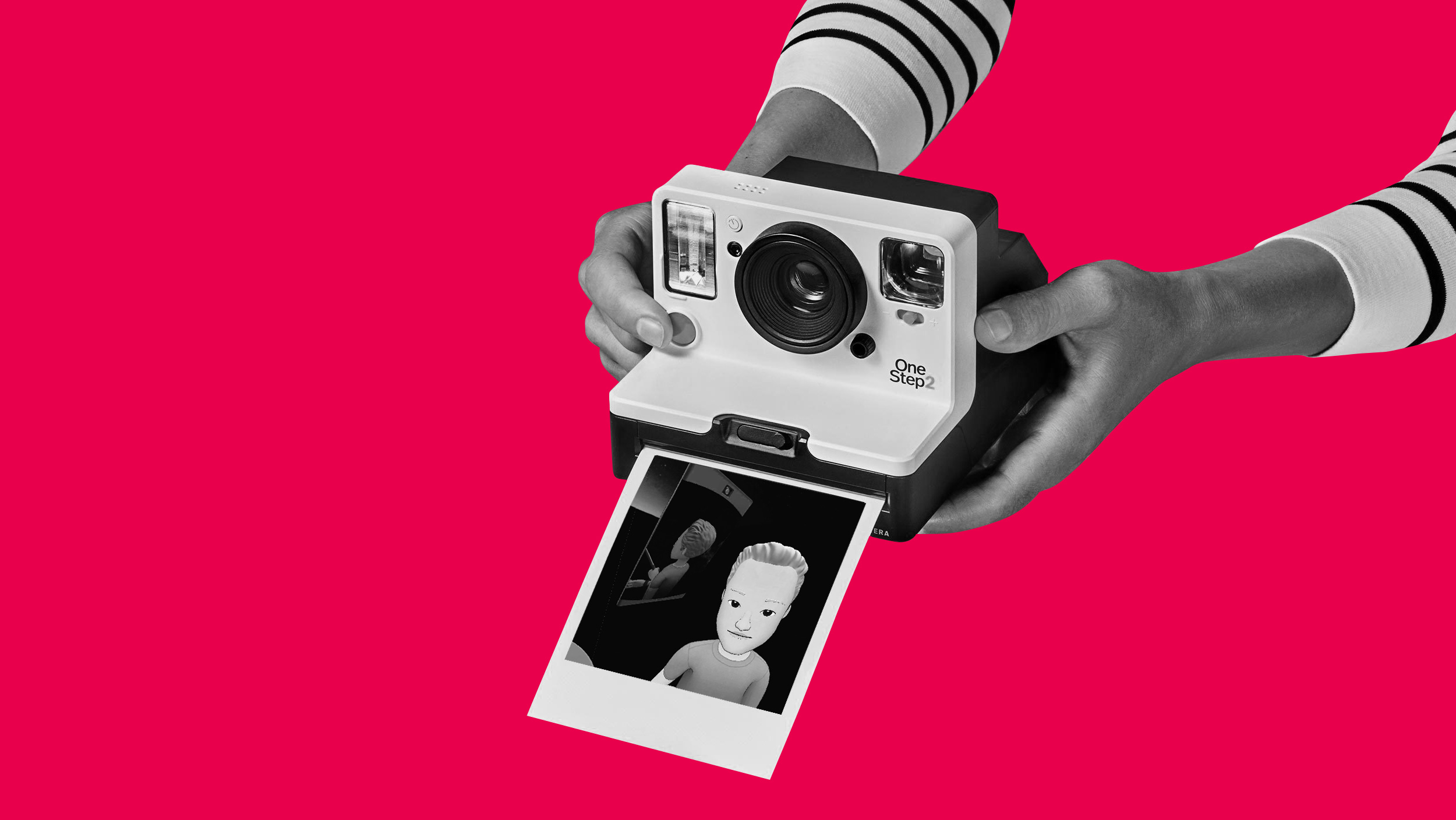 The information age is dead welcome to the experimental age
 Anatomy of VR
 Deciphering the hololens
 Make it sound right or break immersion
 Branding your reality
 A deep dive into immersion
 Why the suit & ties don’t get VR
 The hidden marketing value of virtual reality
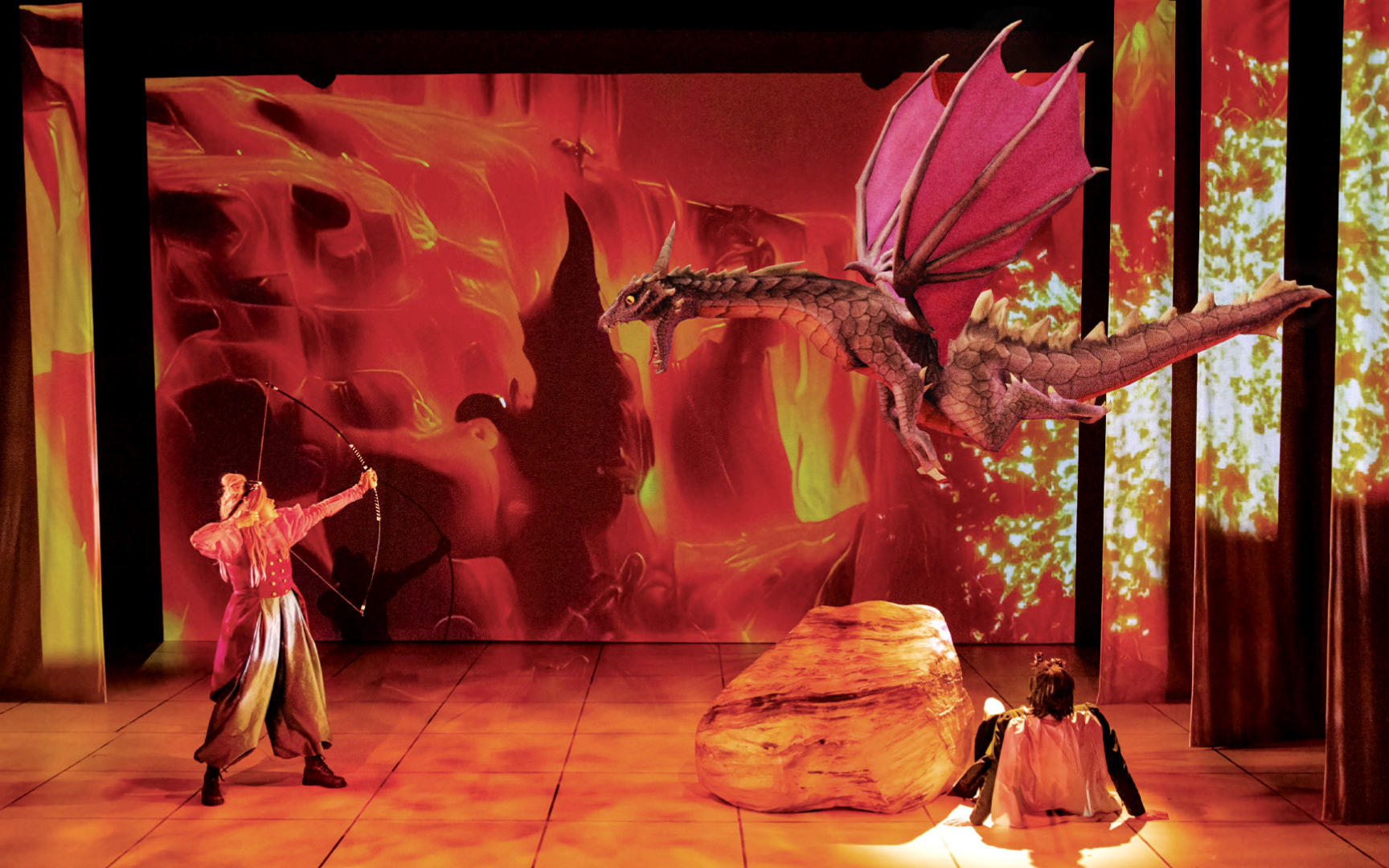 Theatre reimagined with AR
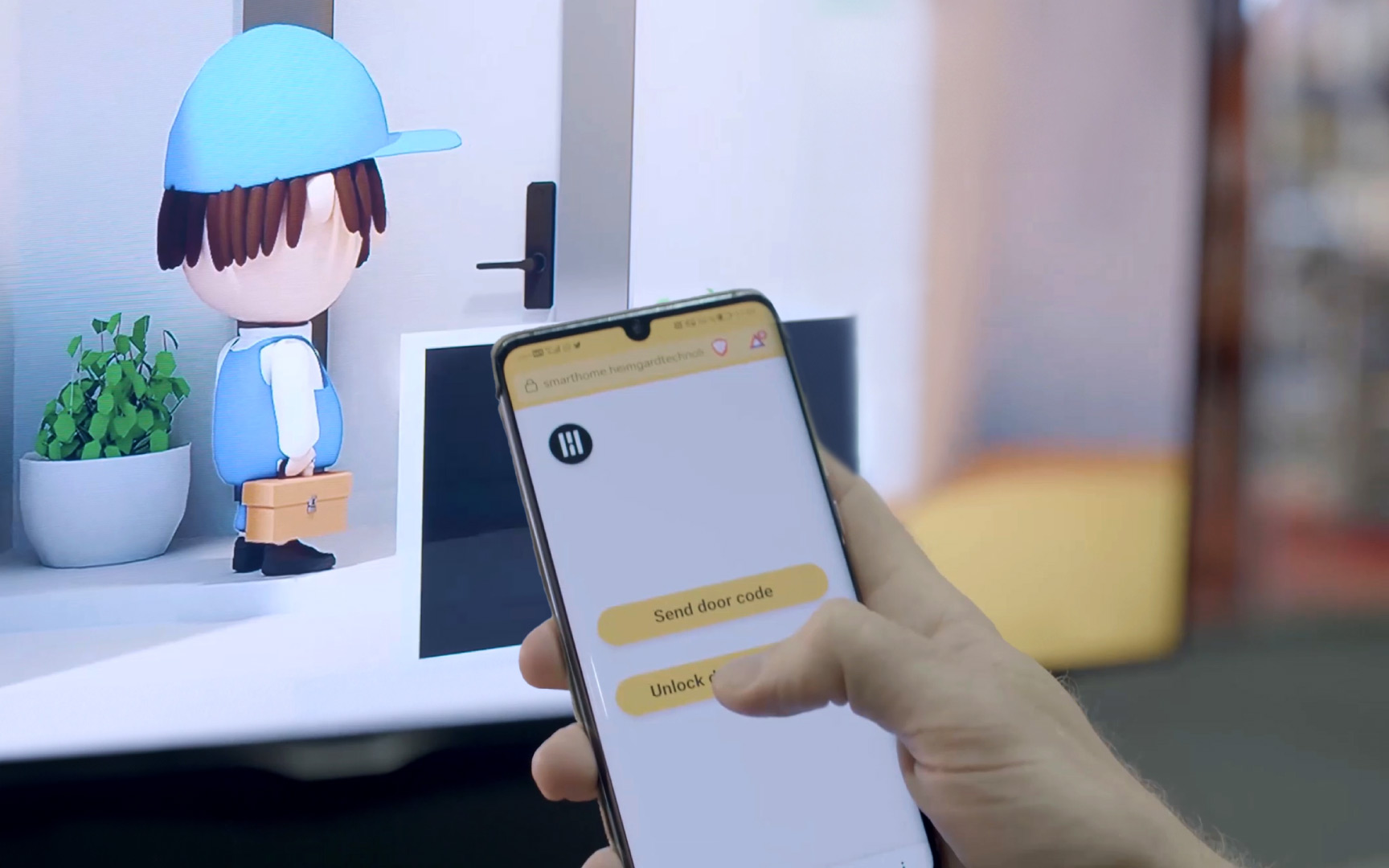 Let your audience control their experience
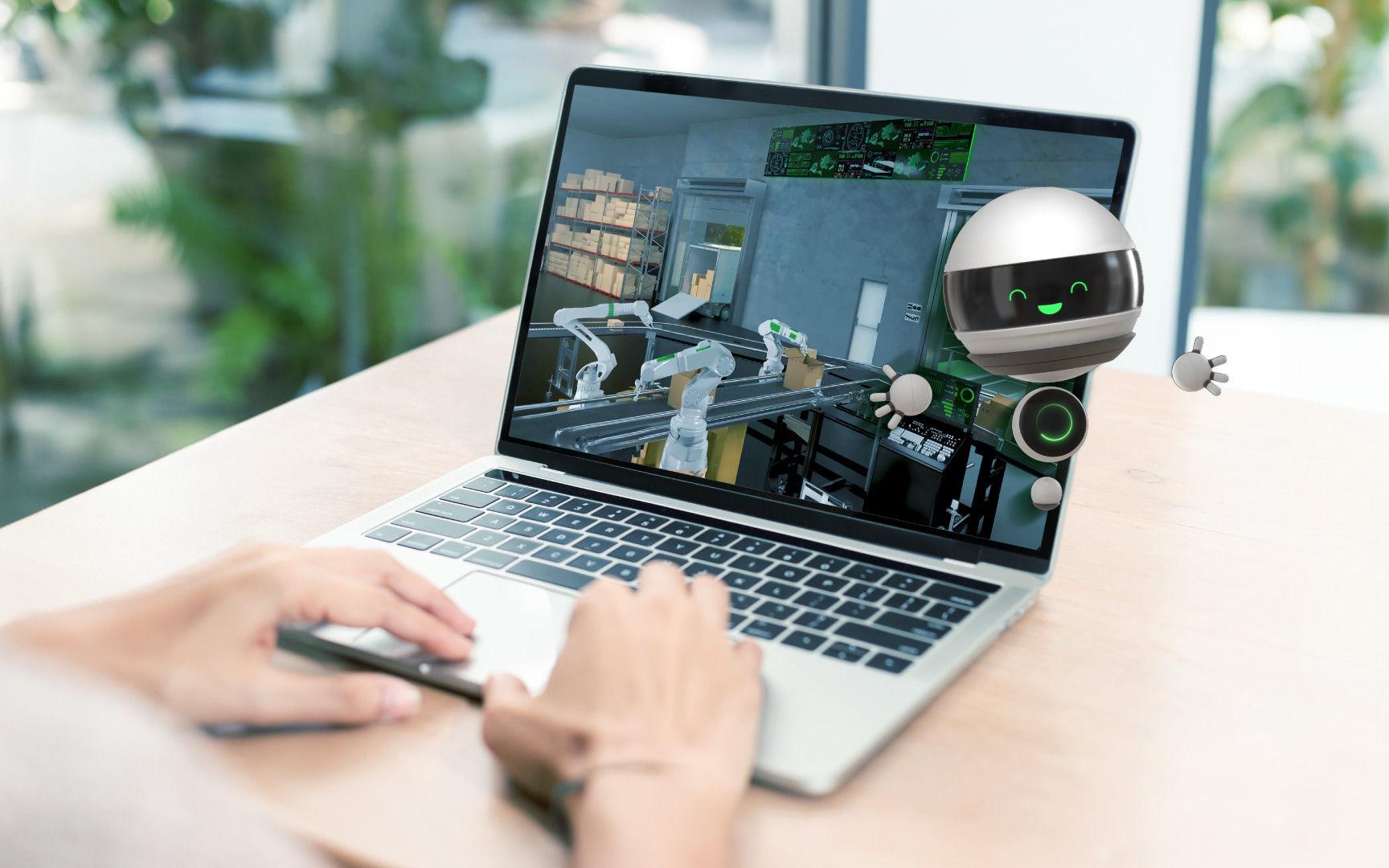 Immersive web to CRM integration for lead gen
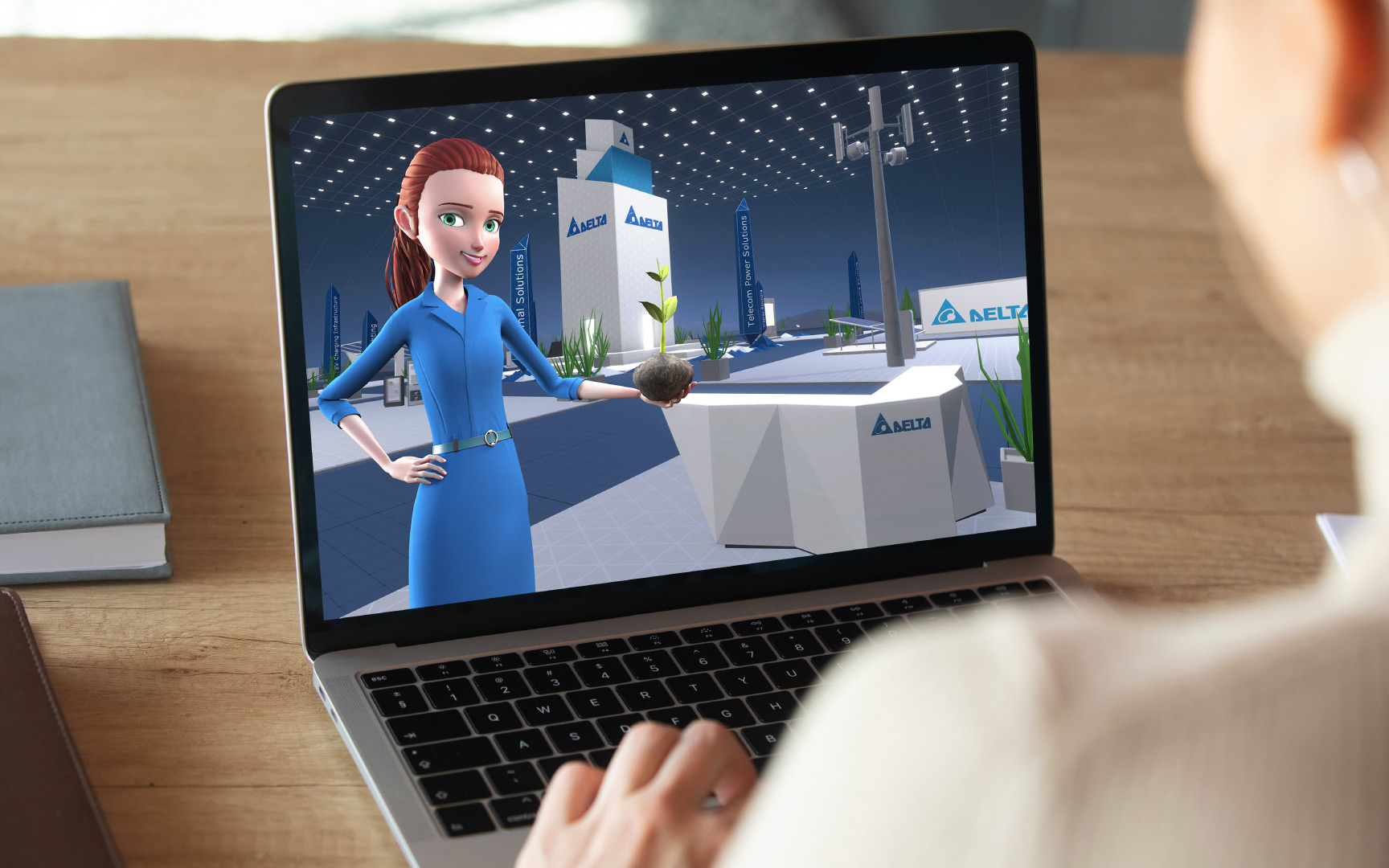 Digital interactive exhibitions during the pandemic
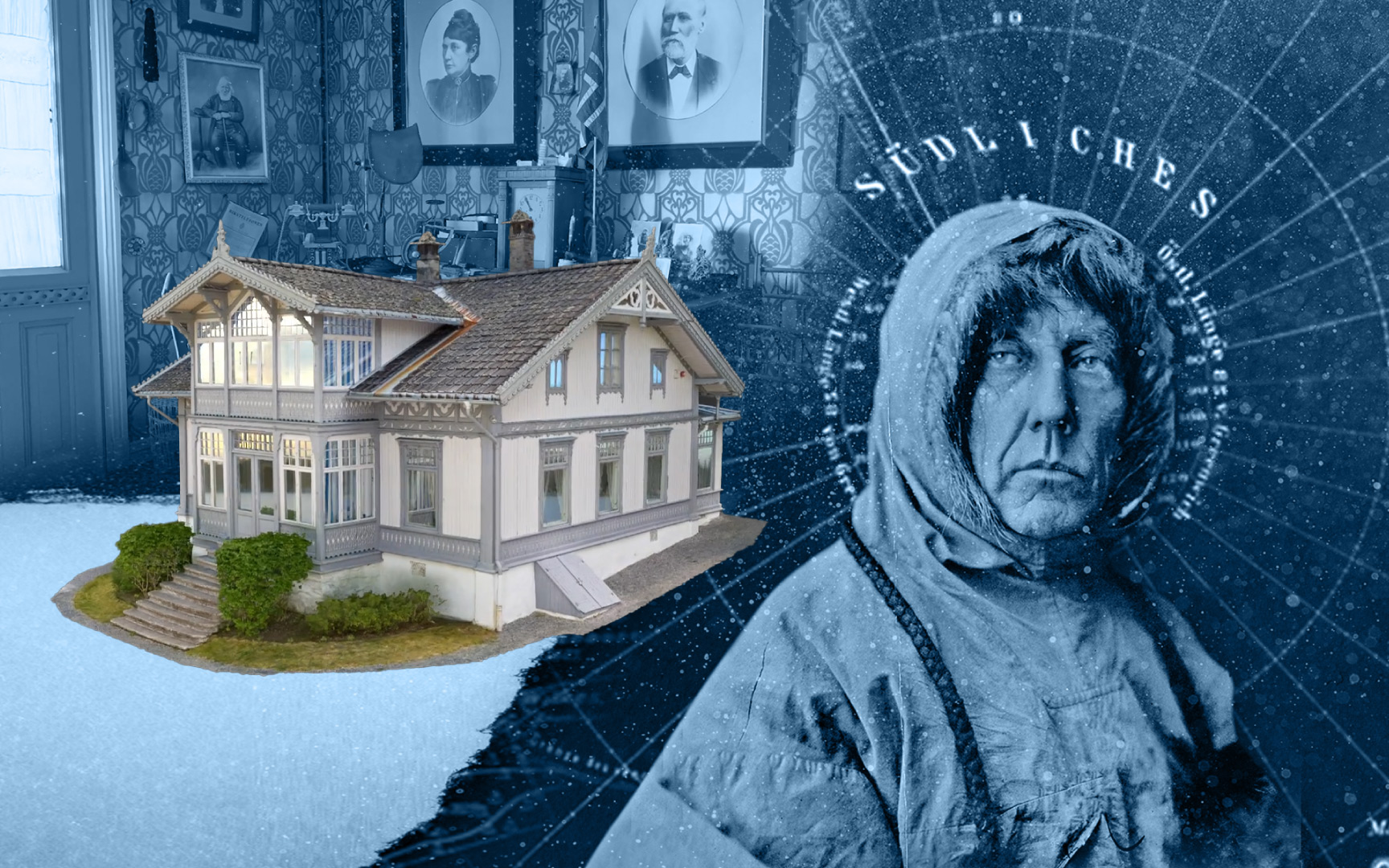 Creating a virtual museum with photogrammetry
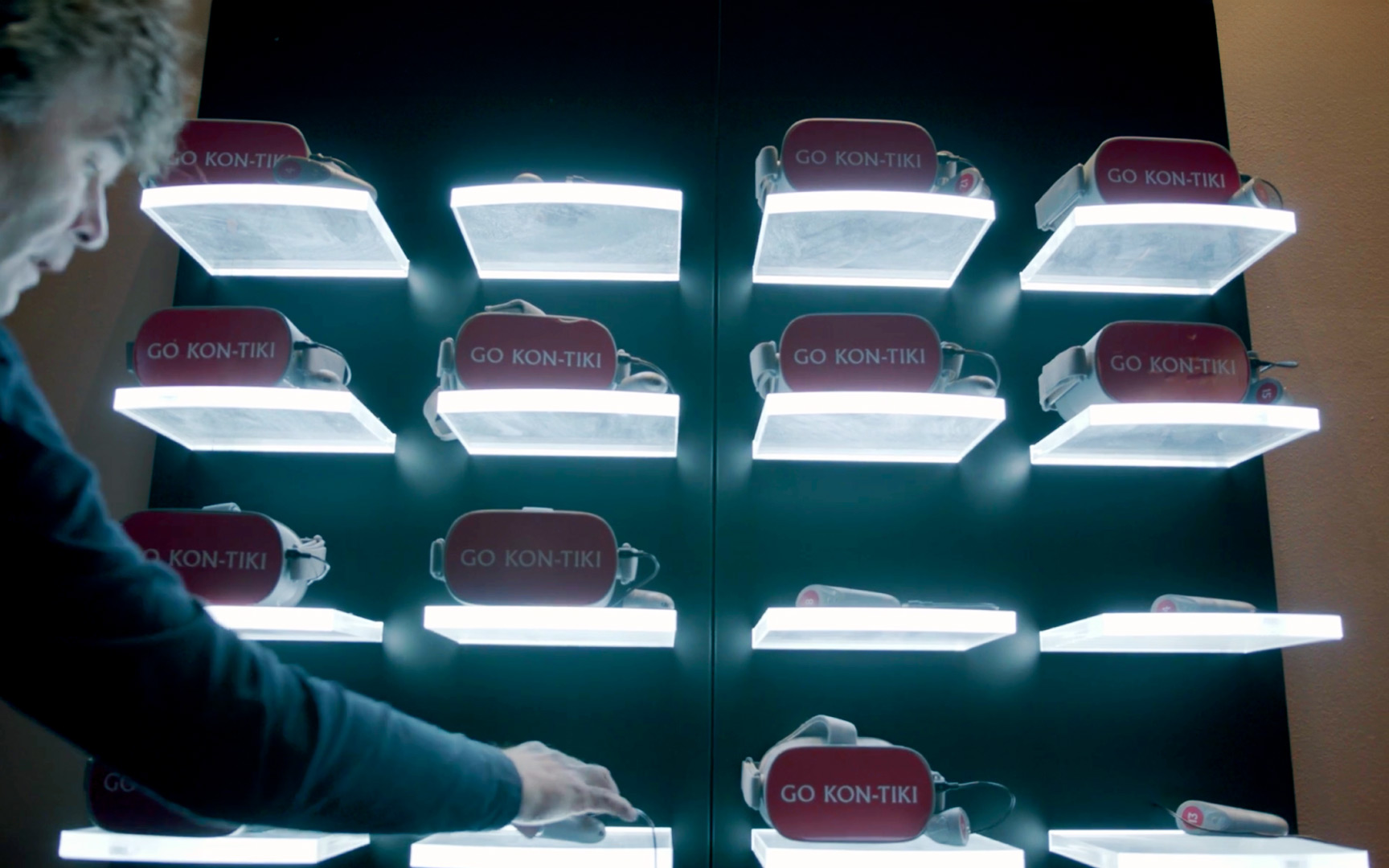 Sailing across the pacific in VR
 Audience engagement through immersive web
 Share your architectural vision in AR
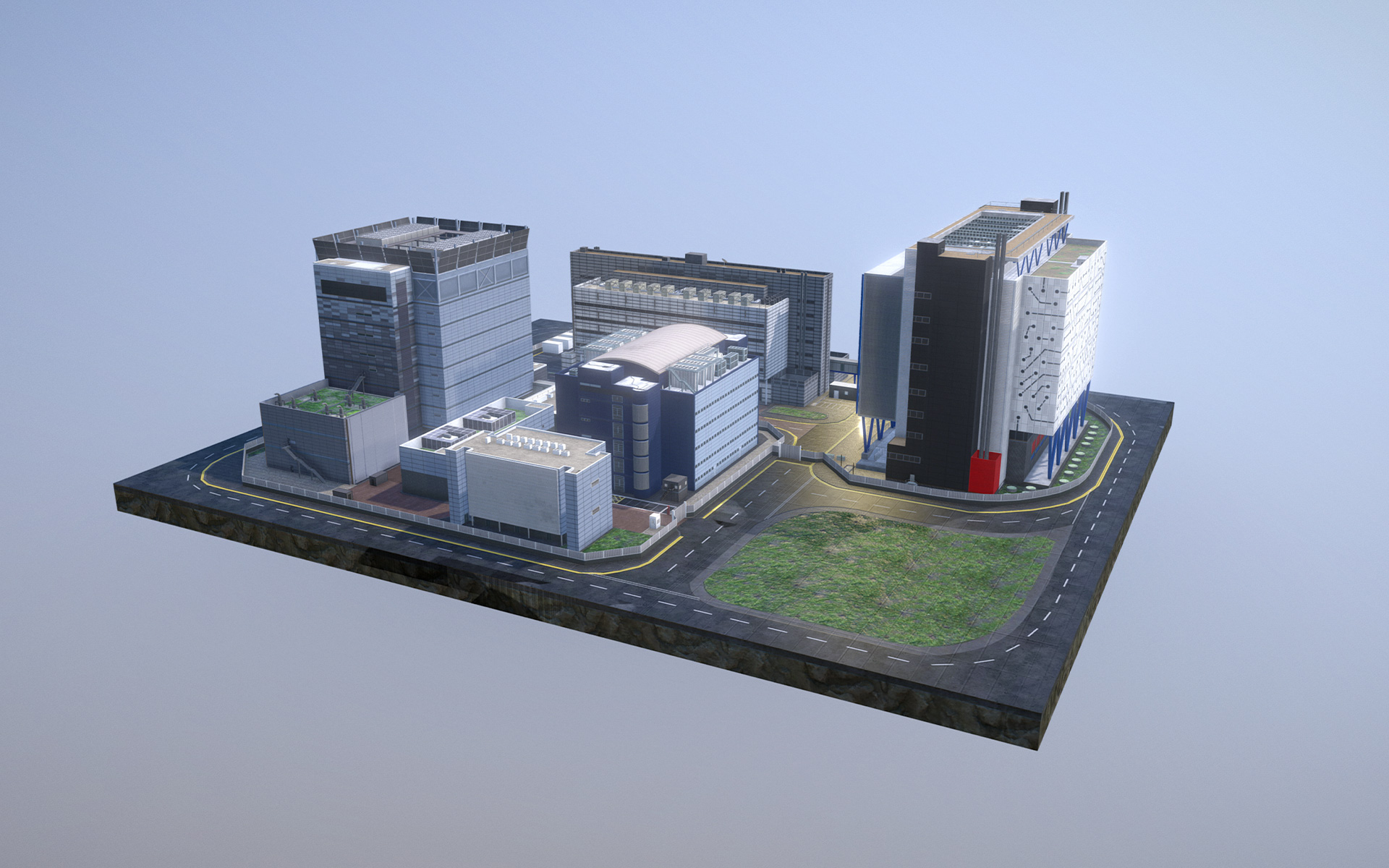 Selling complex installations across WebGL and VR
 Bringing history to life with 360 photospheres
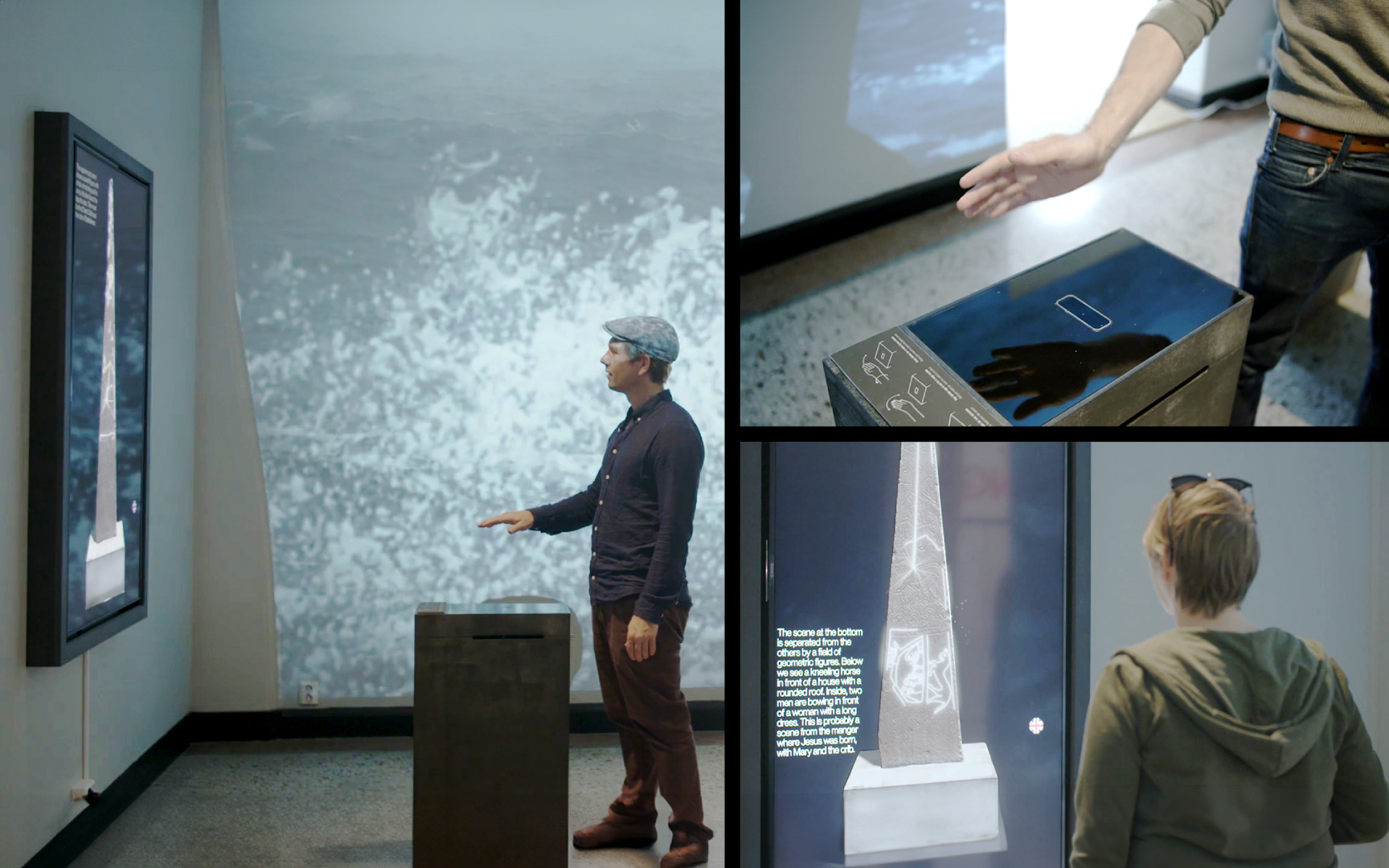 Digitizing hard to exhibit historical artifacts
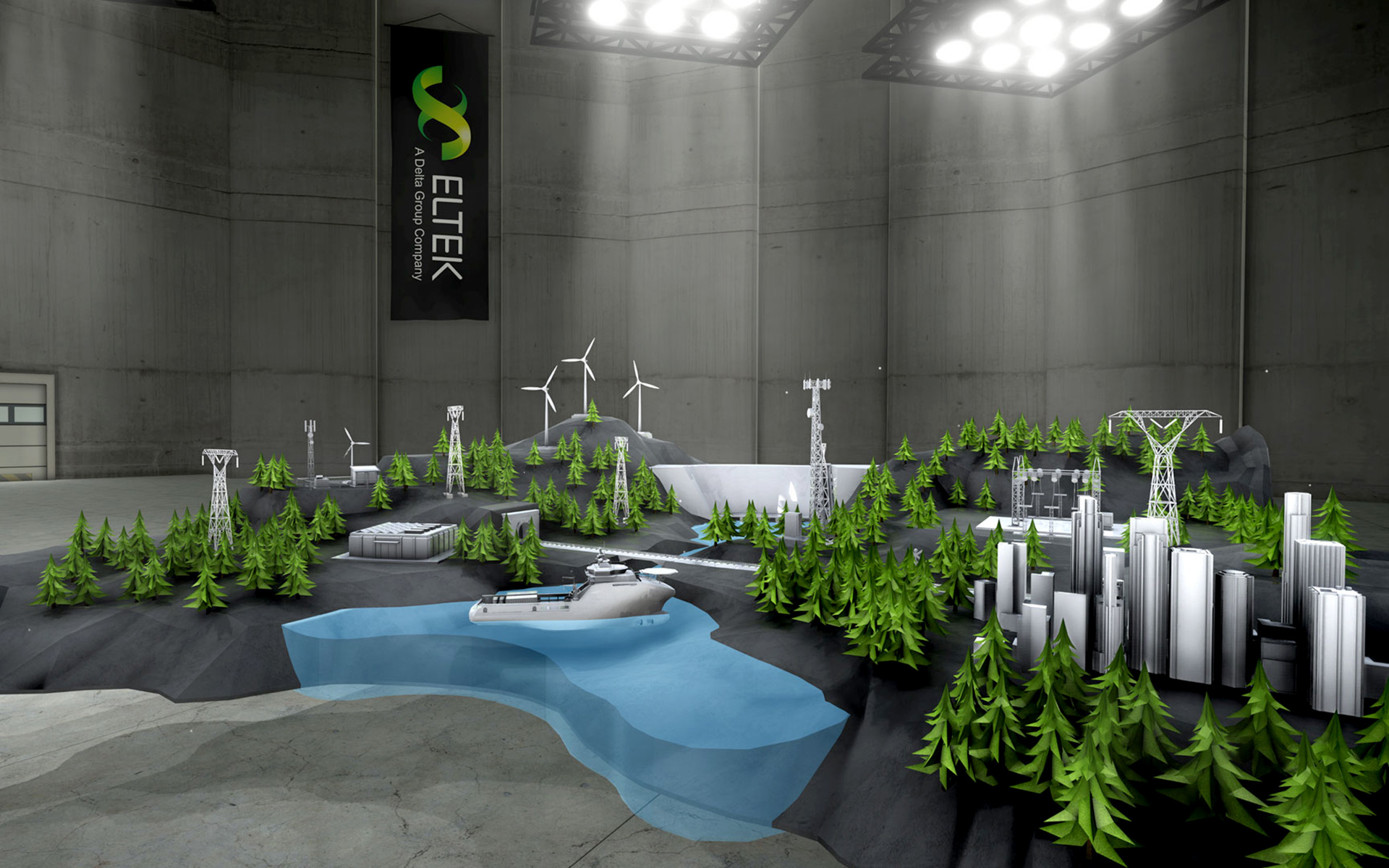 Creating an immersive product showroom
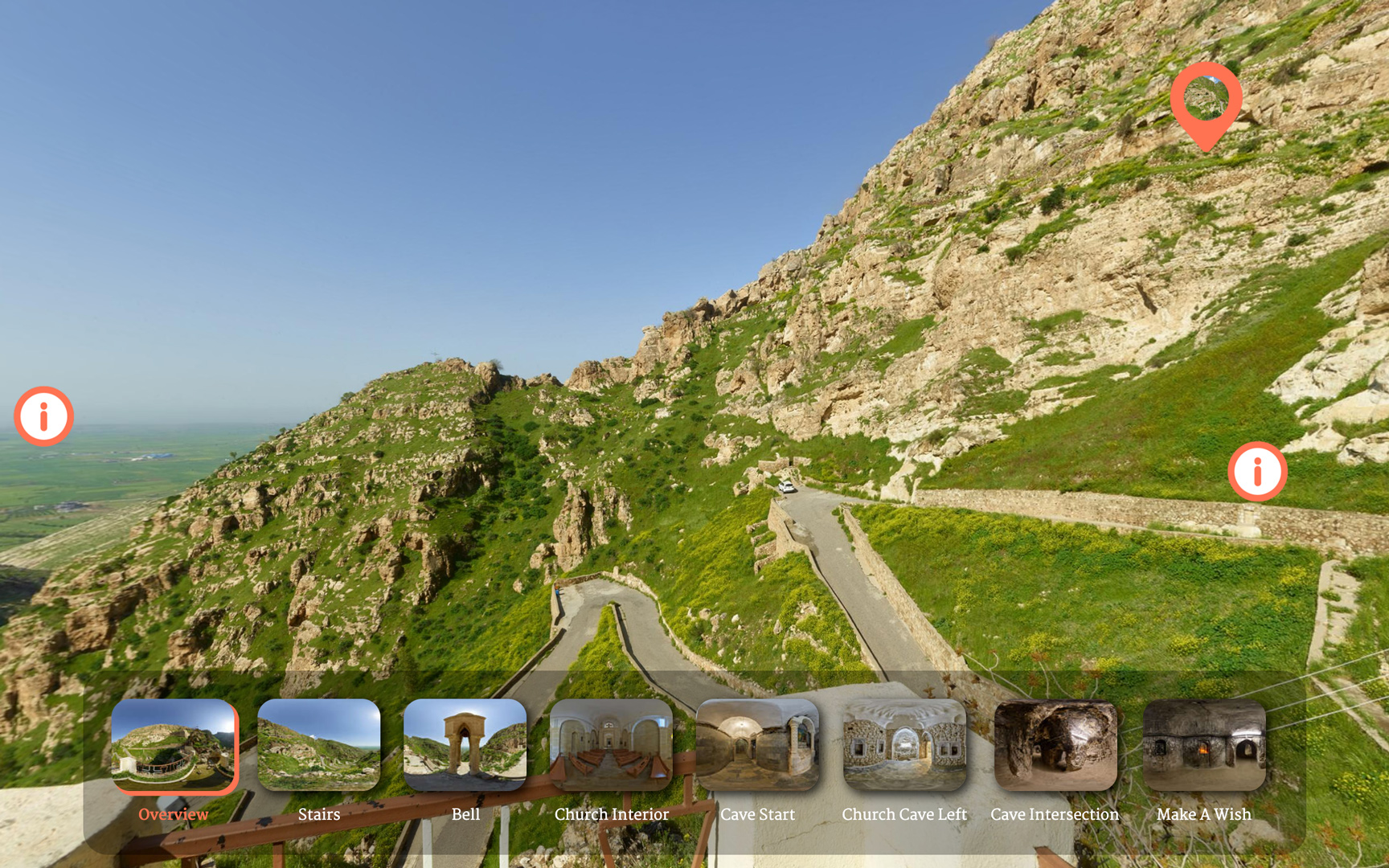 Creating interactive 360 heritage site tours for web
2020 has been a breakthrough year for artificial intelligence, specifically the branch of AI known as machine learning and neural networks, and its already causing widespread disruption in almost every industry, including within creative and artistic expressions previously thought to be out of bounds for machines.
One of 2020’s many AI breakthroughs has been OpenAI’s jukebox project – a neural net that generates music, including singing, with composition and orchestration in a variety of genres and artistic styles. The neural net is self-taught, meaning it starts out completely blank with no musical skills at all. Then it’s connected to a huge data source, like Spotify or the iTunes music store, and it starts to evolve its understanding of music as performed by the various artist. When the network is sufficiently trained it will be able to produce a brand new composition in the style of an artist or as a mashup of several artist. One minute of music takes roughly 9 hours to compose and perform.
The idea of music generating machines can be traced back many centuries. We have all seen the automated piano playing in old western movies, and there are some absolutely stunning creations to be found in museums, like a six-piece string orchestra with both organ and percussion. But for all of these mechanical marvels the music was pre-encoded, often as spikes onto a rotating cylinder, indicating timing, pitch, velocity, and what instrument of each note to be played.
New technologies create new opportunitites
At Glitch Studios we go where new technology leads us, to explore new opportunities for our client’s brands to creatively express themselves.